Literature Beckons
Dive deep into a carefully curated collection of handpicked transitional and upper elementary books that are not only engaging but also educational, perfect for young readers looking to broaden their literary horizons.


Books that serve as a bridge to complete chapter books


Books for advanced elementary readers


An evaluation of the Reading Project
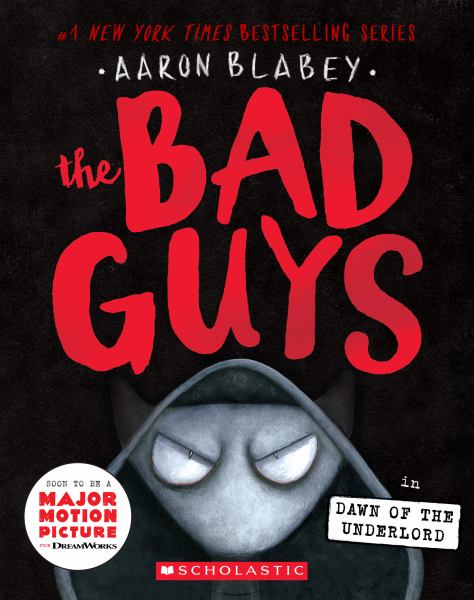
The Bad Guys in the Dawn of the Underlord (The Bad Guys #11)
Author: Aaron Blabey
Illustrator: Aaron Blabey
Publisher: Scholastic Inc.
Publication Date: July 7, 2020
Source: Kirkus Reviews (2020); School Library Journal (2020)
Age Range: Ages 7-10.
Evaluation: The fast-paced plot, comic timing, and expressive graphic-novel illustrations make this a highly engaging and well-crafted transitional book for developing readers.
Usage: This book works well for independent reading, graphic novel book talks, and encouraging growing readers who are building stamina and confidence.
Appeal: The silly humor, action-packed storyline, and colorful comic format make it especially appealing to children who enjoy funny and adventurous books.
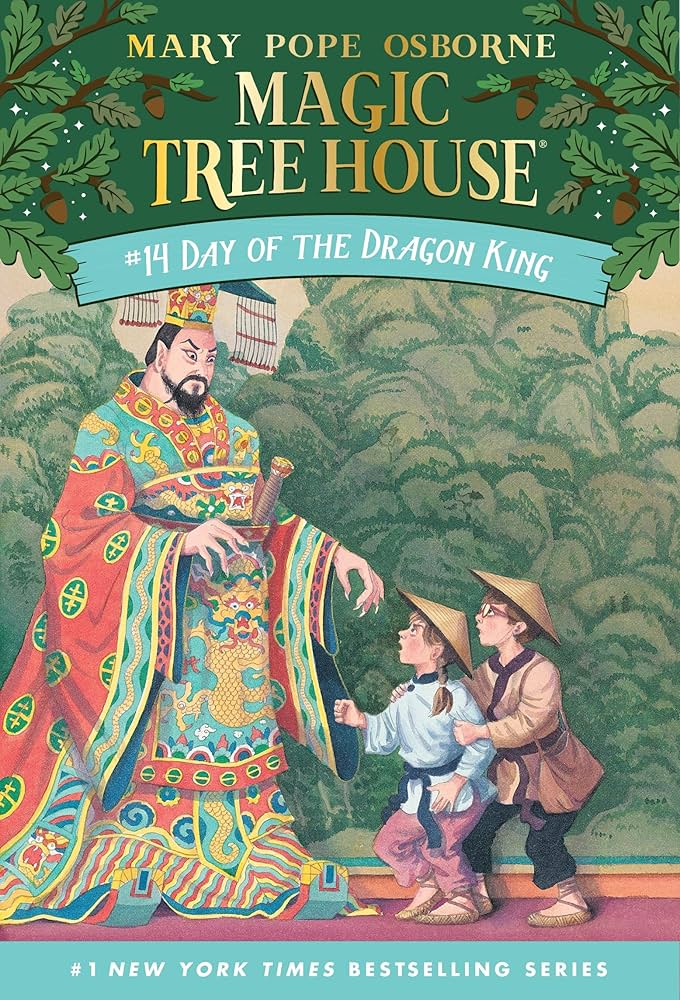
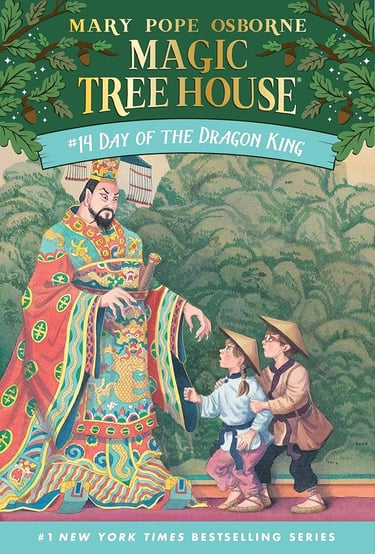
Day of the Dragon King (Magic Treehouse #14)
Author: Mary Pope Osborne
Illustrator: Sal Murdocca
Publisher: A Stepping Stone Book, Random House
Publication Date: April 20, 1998
Source: Kenly Elementary School library collection
Age Range: Ages 6-9.
Evaluation: The simple but effective plot, historical setting, and supportive illustrations make this a strong transitional chapter book that blends adventure with accessible historical fiction.
Usage: This book works well for independent reading, book talks, and curriculum support related to ancient China, legends, or introductory historical fiction.
Appeal: The time travel, danger, magic, and short chapter format make it especially appealing to children who enjoy fast-moving adventures.
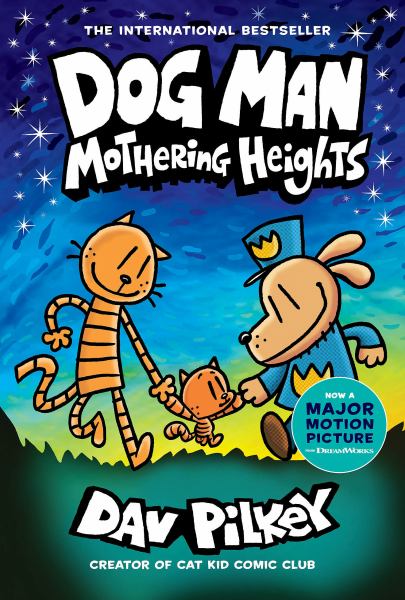
Dog Man: Mothering Heights
Author: Dav Pilkey
Illustrator: Dav Pilkey
Publisher: Graphix, an imprint of Scholastic
Publication Date: March 23, 2021
Source: Kirkus Reviews (starred review, April 1, 2021)
Age Range: Ages 7-18.
Evaluation: The energetic pacing, comic-panel storytelling, and strong blend of humor and heart make this a highly effective and well-crafted graphic novel for transitional readers.
Usage: This book works well for independent reading, graphic novel book talks, and encouraging reluctant readers to build reading confidence and stamina.
Appeal: The wild action, ridiculous villains, bright illustrations, and laugh-out-loud humor make this book especially appealing to children who enjoy fast, funny graphic novels.
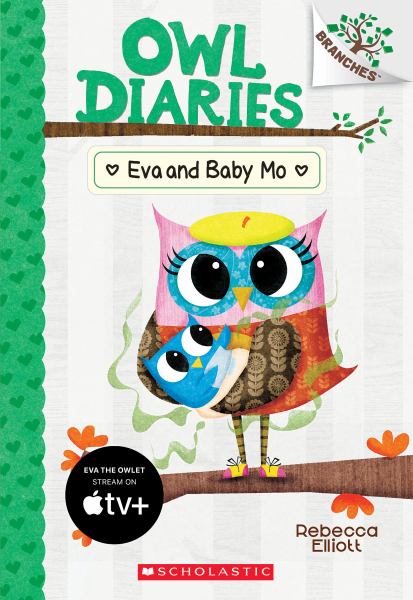
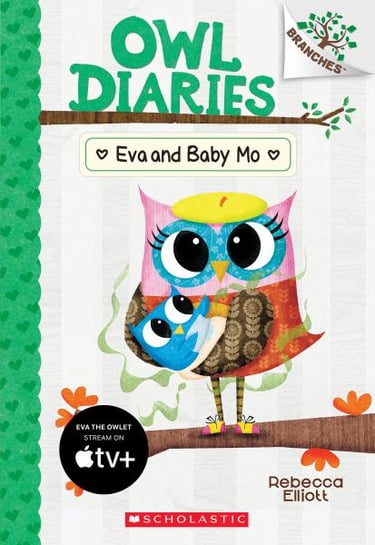
Eva and Baby Mo (Branches: Owl Diaries, Book 10)
Author: Rebecca Elliott
Illustrator: Rebecca Elliott
Publisher: Scholastic Inc.
Publication Date: February 26, 2019
Source: Series reviews from Kirkus Reviews, Publishers Weekly, and Library Media Connection
Age Range: Ages 5-7.
Evaluation: The simple plot, diary format, and bright colorful illustrations make this an accessible and engaging transitional book for emerging readers.
Usage: This book works well for independent reading, beginning chapter book support, and discussions about family responsibilities, friendship, and helping others.
Appeal: The cute owl characters, colorful artwork, and relatable babysitting problems make this book especially appealing to children who enjoy gentle humor and animal stories.
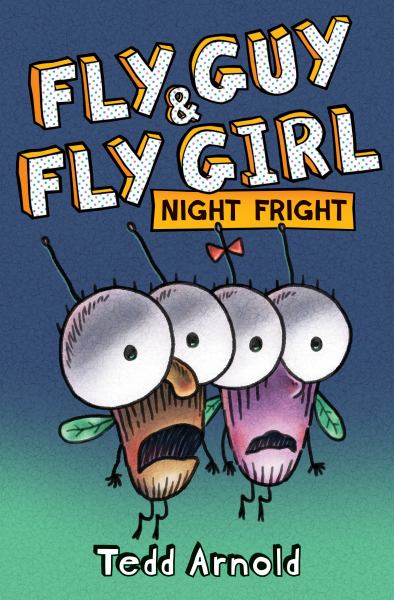
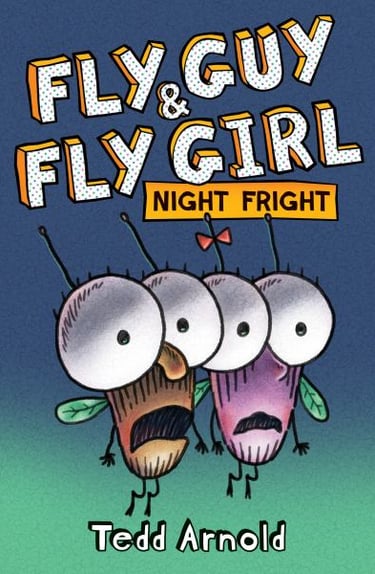
Fly Guy and Fly Girl: Night Fright
Author: Tedd Arnold
Illustrator: Tedd Arnold
Publisher: Cartwheel Books
Publication Date: September 1, 2020
Source: Kirkus Reviews (July 15, 2020)
Age Range: Ages 4-8.
Evaluation: The very simple text, playful sound effects, and humorous illustrations make this an effective and engaging early transitional reader for children building confidence.
Usage: This book works well for independent reading, read-aloud support for emerging readers, and lessons about animals, zoos, or descriptive language.
Appeal: The silly flies, spooky zoo setting, and funny page turns make this book especially appealing to children who enjoy light scares and animal humor.
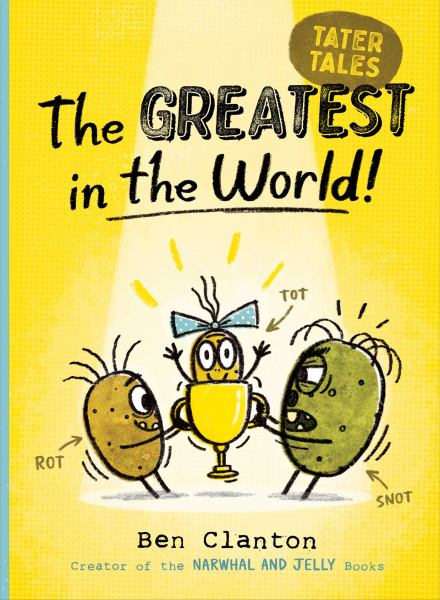
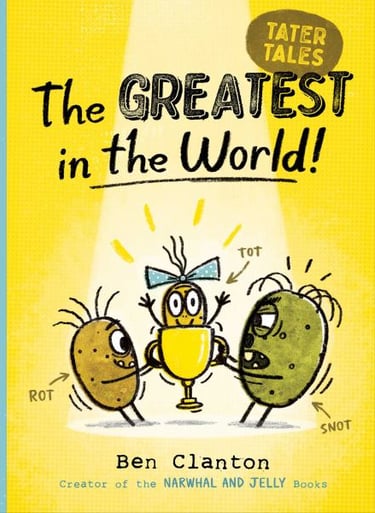
The Greatest in the World
Author: Ben Clanton
Illustrator: Ben Clanton
Publisher: Simon & Schuster Books for Young Readers
Publication Date: October 3, 2023
Source: Booklist (November 1, 2022), Bulletin of the Center for Children’s Books (November 1, 2022), Kirkus Reviews(September 15, 2022), Publishers Weekly (October 10, 2022), and School Library Journal (October 1, 2022)
Age Range: Ages 6-9.
Evaluation: The playful language, lively graphic novel elements, and expressive mixed-media illustrations make this a funny and well-crafted transitional book for young readers.
Usage: This book works well for independent reading, graphic novel book talks, and classroom discussions about siblings, competition, and good sportsmanship.
Appeal: The potato puns, silly contests, and energetic artwork make this book especially appealing to children who enjoy humor and visual storytelling.
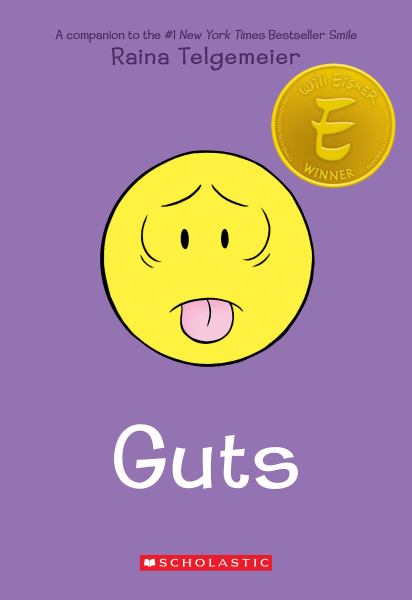
Guts
Author: Raina Telgemeier
Illustrator: Raina Telgemeier
Publisher: Graphix, an imprint of Scholastic
Publication Date: September 17, 2019
Source: Booklist (June 1, 2019), Bulletin of the Center for Children’s Books (September 1, 2019), Horn Book Magazine(starred review, September 1, 2019), Kirkus Reviews (June 1, 2019), New York Times (December 29, 2019), Publishers Weekly (starred review, May 13, 2019), and School Library Journal (starred review, August 1, 2019)
Age Range: Ages 8-12.
Evaluation: The honest memoir narrative, expressive graphic style, and thoughtful portrayal of anxiety make this a powerful and well-crafted upper elementary book.
Usage: This book works well for independent reading, graphic novel book talks, and classroom or counseling support related to anxiety, emotions, and coping strategies.
Appeal: The graphic novel format, relatable school and friendship struggles, and candid emotional honesty make this book especially appealing to children who want realistic stories that feel personal and true.
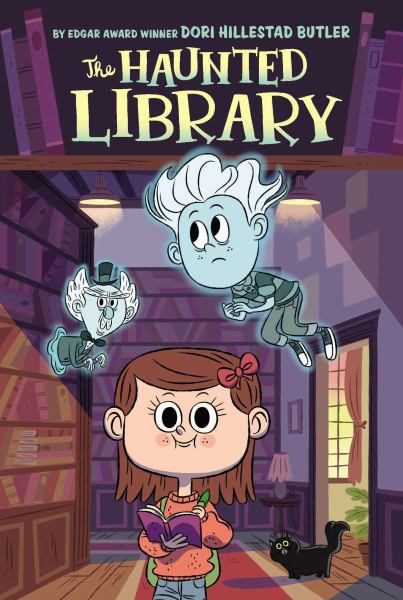
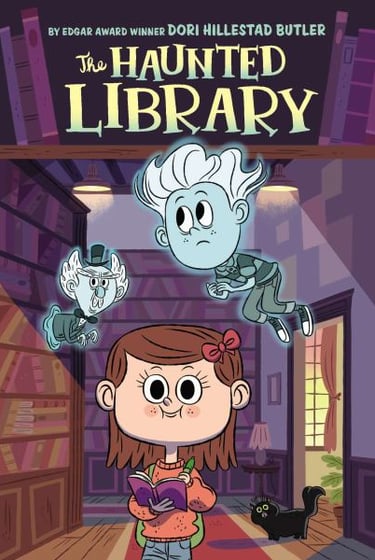
The Haunted Library
Author: Dori Hillestad Butler
Illustrator: Aurore Damant
Publisher: Grosset & Dunlap, an imprint of Penguin Group (USA) LLC
Publication Date: August 14, 2014
Source: Horn Book Guide (April 1, 2015), Kirkus Reviews (June 15, 2014), and School Library Journal (October 1, 2014)
Age Range: Ages 6-8.
Evaluation: The simple mystery plot, approachable ghost theme, and frequent cartoon illustrations make this a strong transitional chapter book for newly independent readers.
Usage: This book works well for independent reading, seasonal book talks, and library-themed reading displays or discussions.
Appeal: The friendly ghost characters, gentle suspense, and spooky-but-not-scary atmosphere make this book especially appealing to children who enjoy light mysteries and ghost stories.
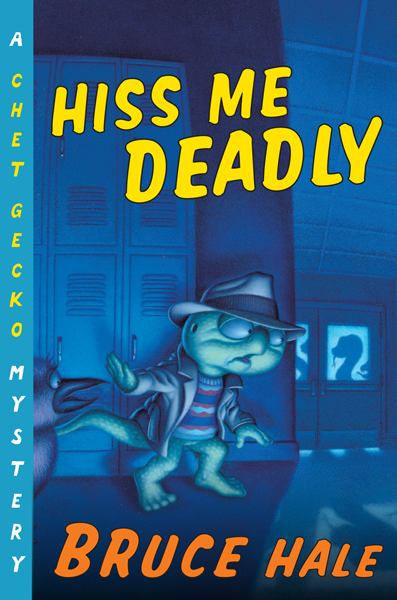
Hiss Me Deadly
Author: Bruce Hale
Illustrator: Bruce Hale
Publisher: Sandpiper
Publication Date: January 1, 2009
Source: Book Links (January 1, 2008), Horn Book Magazine (April 1, 2008), and Booklist (October 15, 2007)
Age Range: Ages 8-12.
Evaluation: The first-person noir-style narration, humorous mystery plot, and lively language make this a witty and well-crafted transitional mystery for developing readers.
Usage: This book works well for independent reading, mystery-themed book talks, and introducing students to detective fiction with humor.
Appeal: The talking-animal detective, school setting, and fast-paced mystery make this book especially appealing to children who enjoy funny suspense stories.
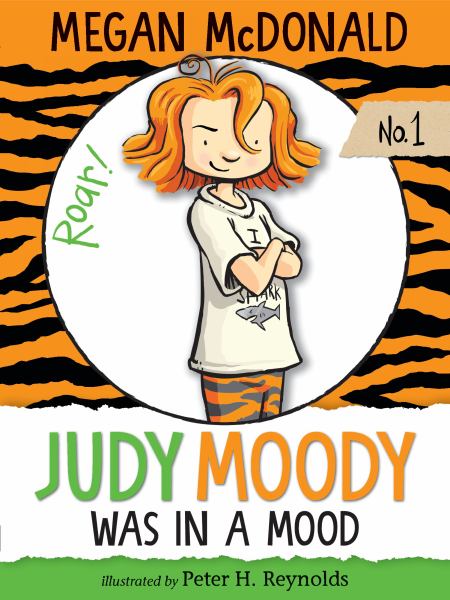
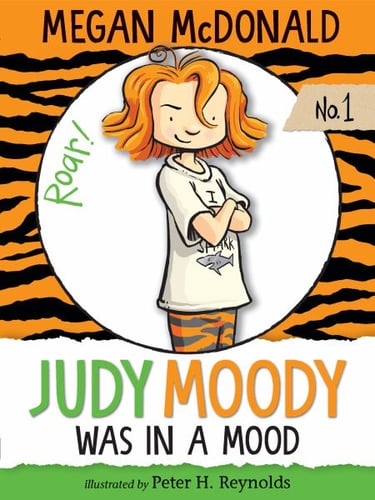
Judy Moody Was in a Mood
Author: Megan McDonald
Illustrator: Peter H. Reynolds
Publisher: Candlewick Press
Publication Date: April 10, 2018
Source: ALA Notable Children’s Books (2001), Choice (January 1, 2001), Críticas (starred review, July 1, 2004), Publishers Weekly (starred review, April 17, 2000), Booklist (July 2000), Horn Book Guide (Fall 2000), Kirkus Reviews(April 15, 2000), and School Library Journal (July 2000)
Age Range: Ages 6-9.
Evaluation: The lively voice, realistic school-centered plot, and expressive black-and-white illustrations make this a strong transitional book with humor and emotional authenticity.
Usage: This book works well for independent reading, book talks, and classroom support for topics such as feelings, friendship, and school experiences.
Appeal: Judy’s funny moods, relatable problems, and energetic personality make this book especially appealing to children who enjoy realistic fiction with humor.
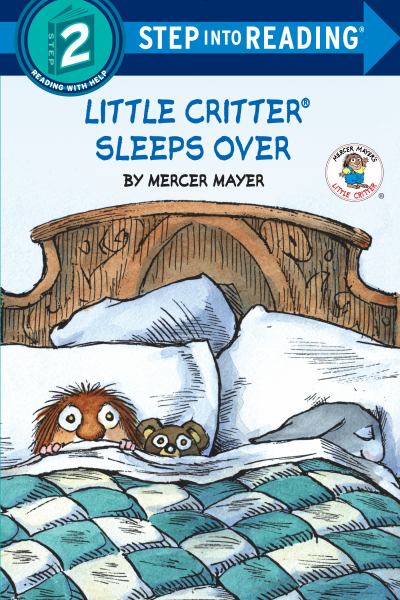
Little Critter Sleeps Over
Author: Mercer Mayer
Illustrator: Mercer Mayer
Publisher: Random House
Publication Date: June 15, 1999
Source: Kenly Elementary School library collection
Age Range: Ages 4-6.
Evaluation: The simple vocabulary, short sentences, and familiar home-centered story make this an accessible and effective transitional reader for young children.
Usage: This book works well for guided reading, read-aloud support, and discussions about sleepovers, friendship, and new experiences.
Appeal: Little Critter’s relatable worries, gentle humor, and familiar family-centered illustrations make this book especially appealing to young readers beginning to read on their own.
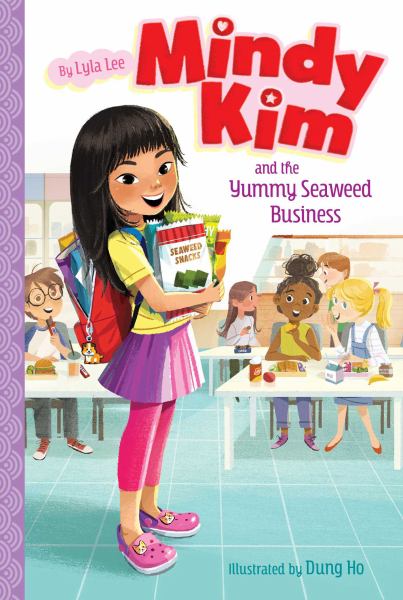
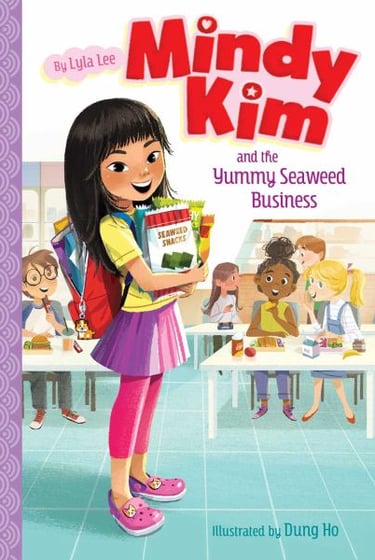
Mindy Kim and the Yummy Seaweed Business
Author: Lyla Lee
Illustrator: Dung Ho
Publisher: Aladdin
Publication Date: January 14, 2020
Source: Booklist (January 1, 2020), Kirkus Reviews (starred review, November 1, 2019), and School Library Journal(January 1, 2020)
Age Range: Ages 6-9.
Evaluation: The clear voice, realistic plot, and supportive black-and-white illustrations make this a strong transitional book that balances emotional depth with accessibility.
Usage: This book works well for independent reading, book talks, and classroom discussions about friendship, grief, belonging, and cultural identity.
Appeal: Mindy’s relatable school struggles, warm family moments, and engaging problem-solving make this book especially appealing to children who enjoy realistic stories about fitting in and finding connection.
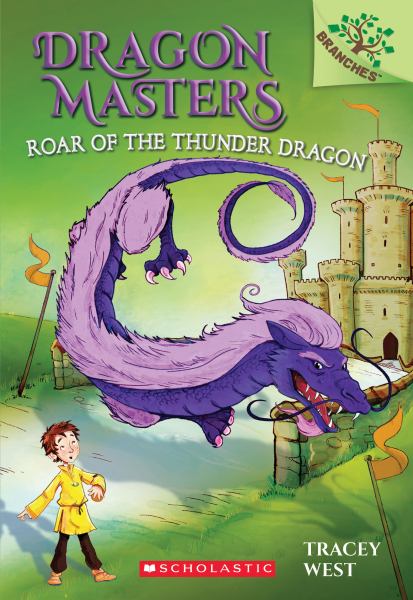
Roar of the Thunder Dragon
Author: Tracey West
Illustrator: Damien Jones
Publisher: Scholastic Inc.
Publication Date: September 12, 2017
Source: Branches early chapter book series
Age Range: Ages 6-8.
Evaluation: The fast-paced fantasy plot, simple language, and frequent illustrations make this an effective transitional book for newly independent readers.
Usage: This book works well for independent reading, fantasy-themed book talks, and helping children build confidence and stamina with early chapter books.
Appeal: The dragons, magic, danger, and action-filled storyline make this book especially appealing to children who enjoy adventurous fantasy stories.
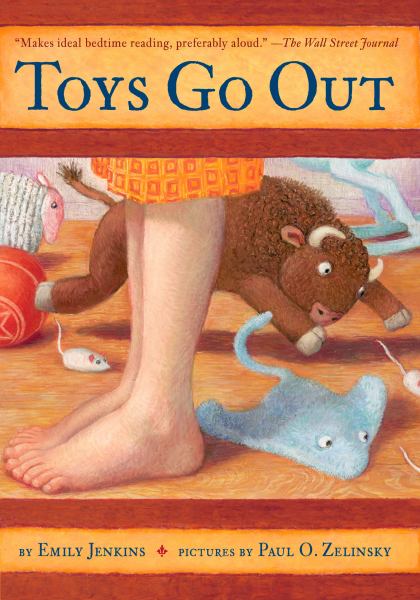
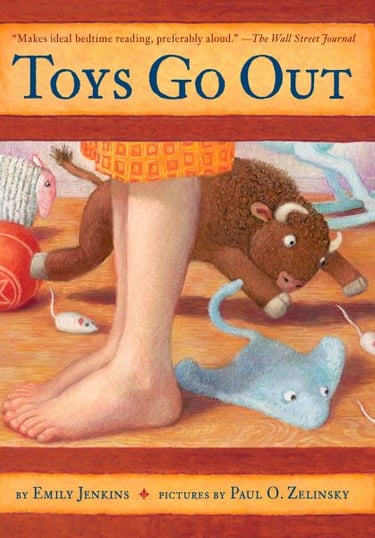
Toys Go Out
Author: Emily Jenkins
Illustrator: Paul O. Zelinsky
Publisher: Yearling
Publication Date: September 9, 2008
Source: ALA Notable Children’s Books (2007), Book Links (October 1, 2008), Booklist (starred review, October 1, 2006), Bulletin of the Center for Children’s Books (November 1, 2006), Horn Book Magazine (October 1, 2007), Kirkus Reviews(August 15, 2006), New York Times (November 12, 2006), Parents’ Choice Silver Honor (2006), Publishers Weekly(starred review, October 30, 2006), School Library Journal (starred review, September 1, 2006), and Wilson’s Children(October 1, 2010)
Age Range: Ages 6-9.
Evaluation: The episodic structure, gentle humor, and expressive black-and-white illustrations make this a high-quality transitional book with strong literary charm.
Usage: This book works well for independent reading, read-alouds, and discussions about friendship, imagination, and identity.
Appeal: The secret lives of toys, funny adventures, and warm emotional tone make this book especially appealing to children who enjoy imaginative and character-centered stories.
Who Is the Mystery Reader?
Author: Mo Willems
Illustrator: Mo Willems
Publisher: Hyperion Books for Children
Publication Date: October 1, 2019
Source: Booklist (July 2019), Kirkus Reviews (August 15, 2019), and School Library Journal (October 1, 2019)
Age Range: Ages 4-8.
Evaluation: The playful metafiction, beginning-reader structure, and colorful comic-style design make this a creative and highly engaging transitional book for young readers.
Usage: This book works well for independent reading, book talks, and lessons about reading strategies, how books are made, and early literacy skills.
Appeal: The silly squirrels, jokes, bright visuals, and interactive reading focus make this book especially appealing to children who enjoy humor and playful nonfiction-fiction blends.
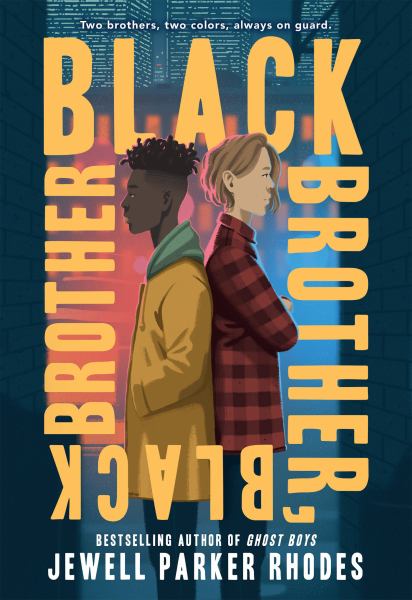
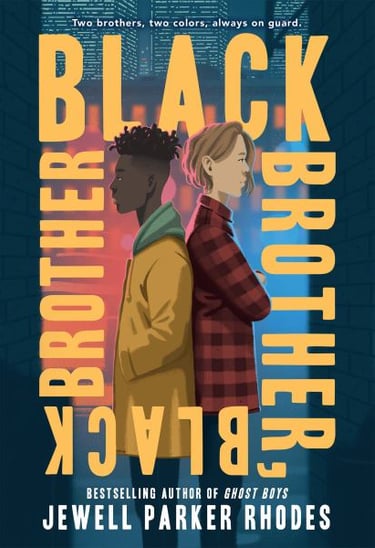
Black Brother, Black Brother
Author: Jewell Parker Rhodes
Illustrator: No illustrator is listed.
Publisher: Little, Brown and Company
Publication Date: March 30, 2021
Source: ALA Notable Children’s Books (2021), Booklist (starred review, March 1, 2020), Bulletin of the Center for Children’s Books (March 1, 2020), Kirkus Reviews (December 15, 2019), Publishers Weekly (January 13, 2020), School Library Connection (starred review, March 1, 2020), and School Library Journal (February 1, 2020)
Age Range: Ages 8-12.
Evaluation: The realistic plot, strong character development, and thoughtful treatment of racism and identity make this a powerful and well-crafted upper elementary novel.
Usage: This book works well for independent reading, book talks, and classroom discussions about racism, bullying, identity, and perseverance.
Appeal: Donte’s emotional journey, the fencing storyline, and the high-stakes school conflict make this book especially appealing to children who enjoy realistic fiction with courage and determination.
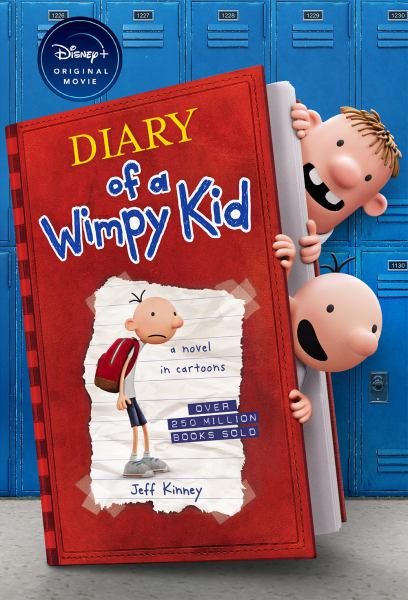
Diary of a Wimpy Kid
Author: Jeff Kinney
Illustrator: Jeff Kinney
Publisher: Amulet Books
Publication Date: November 23, 2021
Source: Book Links (starred, January 1, 2008), Booklist (April 1, 2007), Bulletin of the Center for Children’s Books (June 1, 2007), Horn Book Magazine (October 1, 2007), Kirkus Reviews (March 1, 2007), Publishers Weekly (starred, March 5, 2007), School Library Journal (April 1, 2007), Voice of Youth Advocates (VOYA) (April 1, 2007), Wilson’s Children(October 1, 2010), and Wilson’s Junior High School (January 9, 2010)
Age Range: Ages 8-12.
Evaluation: The diary-style narration, comic illustrations, and sharp humor make this a highly engaging and well-crafted upper elementary novel.
Usage: This book works well for independent reading, book talks, and encouraging reluctant readers to engage with longer fiction through a highly accessible format.
Appeal: Greg’s funny middle school problems, cartoon illustrations, and exaggerated voice make this book especially appealing to children who enjoy humor and realistic school stories.
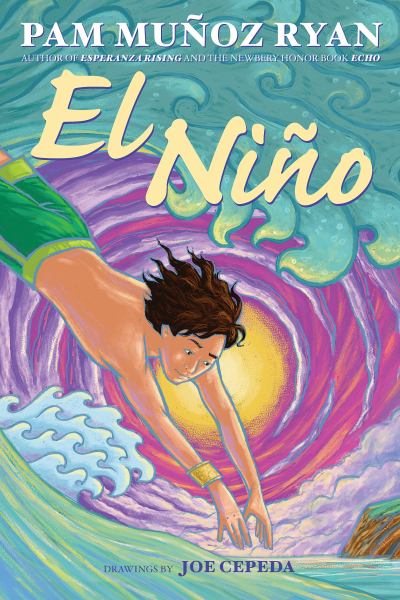
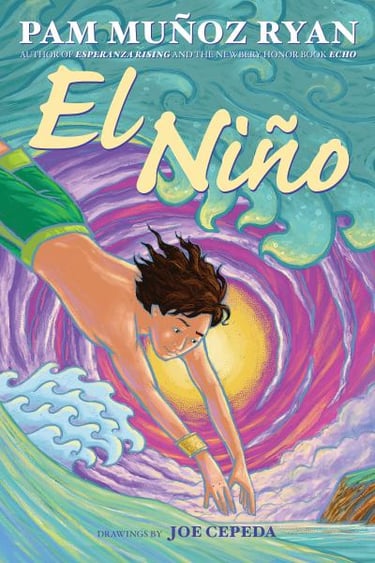
El Niño
Author: Pam Muñoz Ryan
Illustrator: Joe Cepeda
Publisher: Scholastic Press
Publication Date: May 6, 2025
Source: Booklist (April 1, 2025), Bulletin of the Center for Children’s Books (starred review, May 1, 2025), Horn Book Magazine (July 1, 2025), Kirkus Reviews (March 15, 2025), New York Times (April 20, 2025), Publishers Weekly (March 3, 2025), School Library Journal Xpress (starred review, May 30, 2025), and School Library Journal (starred review, April 1, 2025)
Age Range: Ages 8-12.
Evaluation: The lyrical prose, layered magical realism, and striking illustrations make this a rich and well-crafted upper elementary novel about grief and healing.
Usage: This book works well for independent reading, book talks, and classroom discussions about grief, mythology, family, and resilience.
Appeal: Kai’s emotional journey, the mysterious ocean setting, and the blend of realism and fantasy make this book especially appealing to children who enjoy heartfelt stories with mythic elements.
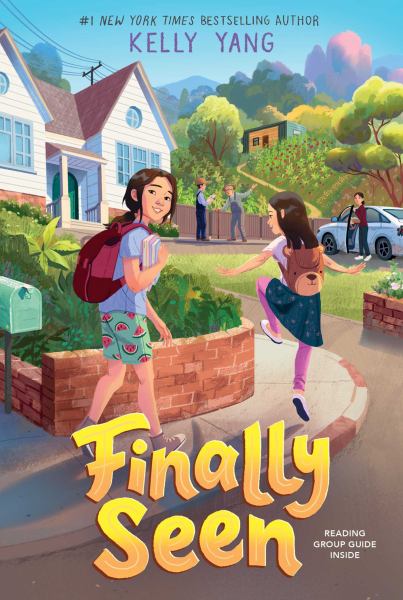
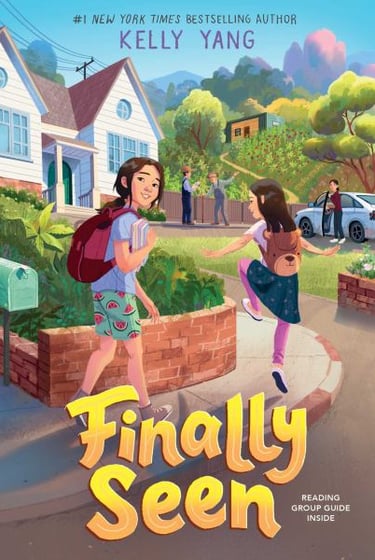
Finally Seen
Author: Kelly Yang
Illustrator: No illustrator is listed.
Publisher: Simon & Schuster Books for Young Readers
Publication Date: February 27, 2024
Source: Booklist (June 1, 2023), Booklist (starred review, December 1, 2022), Horn Book Magazine (January 1, 2023), Kirkus Reviews (December 15, 2022), Publishers Weekly (January 2, 2023), and School Library Journal Xpress (starred review, September 29, 2023)
Age Range: Ages 8-12.
Evaluation: The clear prose, strong emotional perspective, and realistic portrayal of immigration and family adjustment make this a compelling and well-crafted upper elementary novel.
Usage: This book works well for independent reading, book talks, and classroom discussions about immigration, identity, belonging, and the power of books.
Appeal: Lina’s emotional journey, school struggles, and growing courage make this book especially appealing to children who enjoy realistic fiction about family, friendship, and finding their voice.
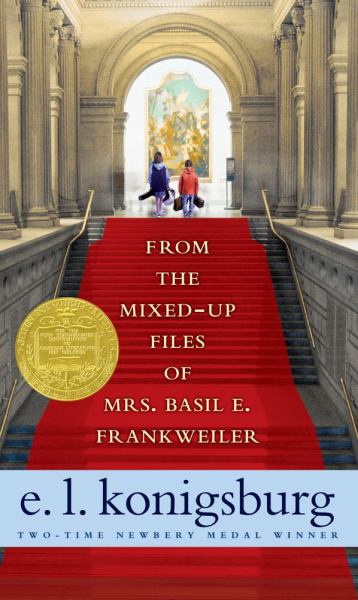
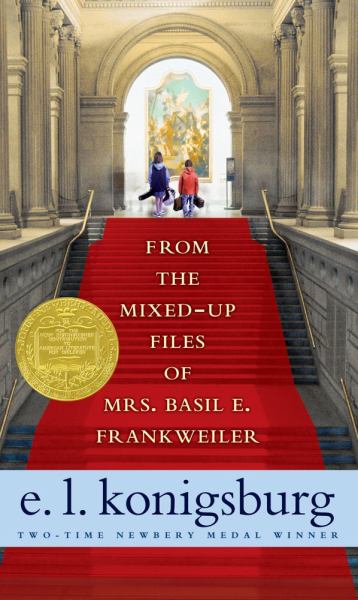
From the Mixed-Up Files of Mrs. Basil E. Frankweiler
Author: E. L. Konigsburg
Illustrator: No illustrator is listed.
Publisher: Simon Pulse
Publication Date: October 1, 2002
Source: Book Links (July 1, 2006), Booklist, Bulletin of the Center for Children’s Books, Child Study Children’s Book Committee (1995), Christian Library Journal (August 1, 2004), Elementary School Library Collection (June 1, 2000), Horn Book Magazine, Horn Book Magazine (April 1, 2003), New York Times, Newbery Medal (1968), School Library Journal, and Wilson’s Children (October 1, 2010)
Age Range: Ages 9-12.
Evaluation: The clever plot, memorable sibling relationship, and museum-centered mystery make this a classic and well-crafted upper elementary novel.
Usage: This book works well for independent reading, book talks, and classroom discussions about art, problem solving, and sibling dynamics.
Appeal: Claudia’s adventurous plan, the museum setting, and the unfolding mystery make this book especially appealing to children who enjoy smart and unusual stories.
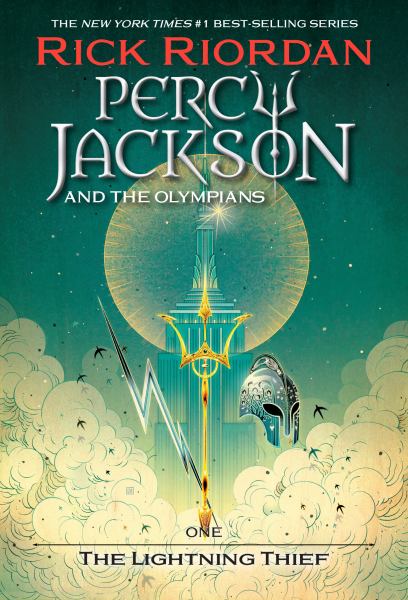
Percy Jackson and the Olympians: The Lightning Thief
Author: Rick Riordan
Illustrator: John Rocco
Publisher: Disney/Hyperion
Publication Date: May 3, 2022
Source: ALA Notable Children’s Books (2006), Book Links (July 1, 2008), Booklist (September 15, 2005), Booklist(December 15, 2010), Booklist (starred review, May 15, 2009), Bulletin of the Center for Children’s Books (October 1, 2005), Horn Book Magazine (July 1, 2005), Horn Book Magazine (April 1, 2006), Horn Book Magazine (May 1, 2011), Horn Book Magazine (starred review, April 1, 2006), Kirkus Reviews (April 15, 2010), Kirkus Reviews (starred review, June 15, 2005), Library Media Connection (October 1, 2010), Library Media Connection (May 1, 2011), New York Times(November 13, 2005), Publishers Weekly (July 18, 2005), Publishers Weekly (starred review, October 4, 2010), School Library Journal (October 1, 2005), School Library Journal (June 1, 2009), School Library Journal (March 1, 2011), School Library Journal (starred review, August 1, 2005), Teacher Librarian (October 1, 2010), Voice of Youth Advocates (VOYA) (August 1, 2005), Voice of Youth Advocates (VOYA) (starred review, June 1, 2009), Wilson’s Children (September 1, 2011), Wilson’s Junior High School (August 21, 2006), and Wilson’s Junior High School (September 1, 2011)
Age Range: Ages 10-14.
Evaluation: The fast-paced plot, witty first-person narration, and inventive use of Greek mythology make this a highly engaging and well-crafted upper elementary fantasy novel.
Usage: This book works well for independent reading, book talks, and curriculum support related to mythology, hero journeys, and fantasy literature.
Appeal: Percy’s humor, nonstop action, and modern encounters with mythological figures make this book especially appealing to children who enjoy adventure and fantasy.
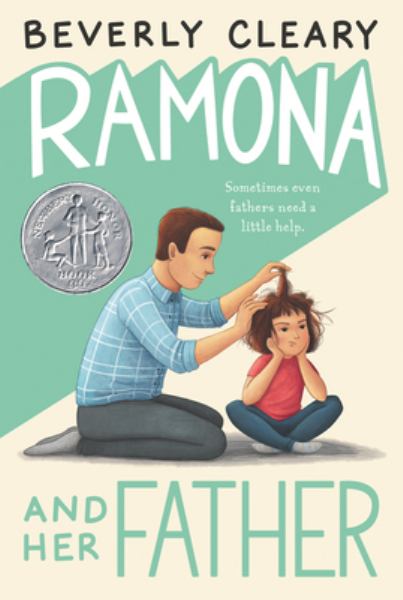
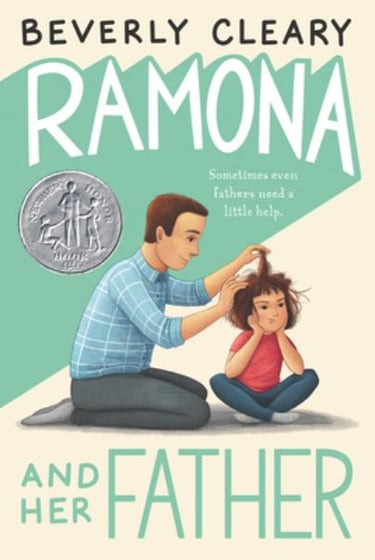
Ramona and Her Father
Author: Beverly Cleary
Illustrator: Jacqueline Rogers
Publisher: Harper, an imprint of HarperCollins Publishers
Publication Date: August 1, 1977
Source: ALA Notable Children’s Books (1995), Booklist, Elementary School Library Collection (March 1, 1998), Elementary School Library Collection (June 1, 2000), Horn Book Magazine, Horn Book Magazine (October 1, 2006), Horn Book Magazine (starred review, October 1, 2006), Kirkus Reviews, Library Journal, Newbery Honor (1978), Reference and Research Book News, and School Library Journal
Age Range: Ages 8-12.
Evaluation: The realistic family conflict, strong characterization, and warm humor make this a memorable and well-crafted upper elementary novel.
Usage: This book works well for independent reading, book talks, and classroom discussions about family change, responsibility, and resilience.
Appeal: Ramona’s lively personality, relatable family worries, and funny misunderstandings make this book especially appealing to children who enjoy realistic fiction with heart and humor.
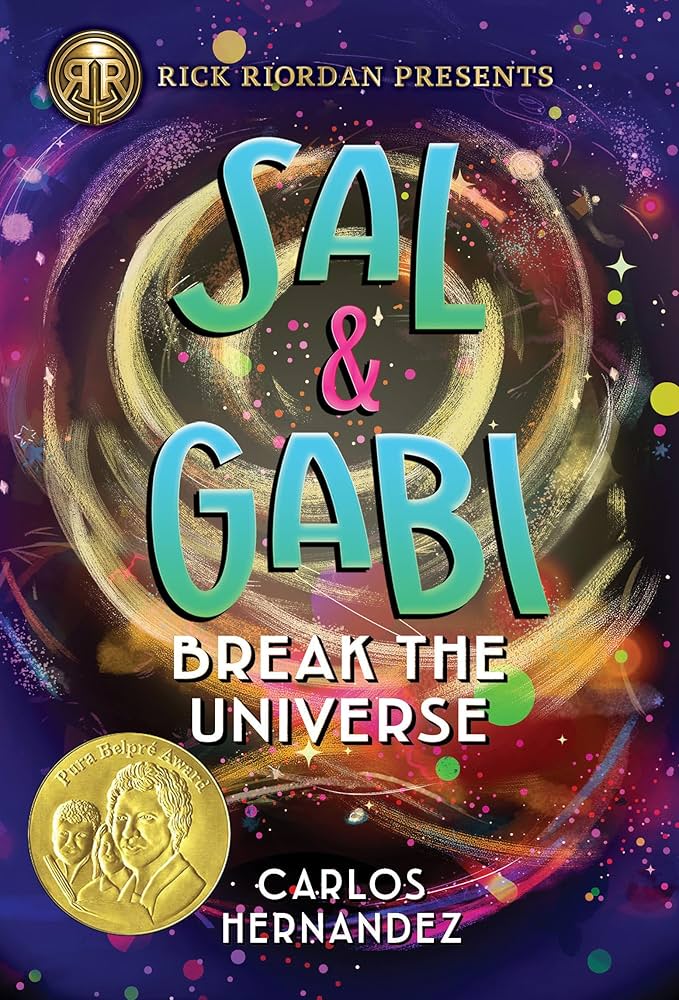
Sal & Gabi Break the Universe
Author: Carlos Alberto Hernandez
Illustrator: No illustrator is listed.
Publisher: Disney Hyperion
Publication Date: May 5, 2020
Source: Booklist (starred review, February 1, 2019), Bulletin of the Center for Children’s Books (February 1, 2019), Kirkus Reviews (starred review, January 15, 2019), Publishers Weekly (starred review, December 17, 2018), Pura Belpré Author Award (2020), and School Library Journal (starred review, February 1, 2019)
Age Range: Ages 8-12.
Evaluation: The imaginative science fiction plot, lively voice, and strong emotional treatment of grief and friendship make this a creative and well-crafted upper elementary novel.
Usage: This book works well for independent reading, book talks, and classroom discussions about grief, family, culture, and science fiction.
Appeal: Sal’s unusual powers, funny school adventures, and fast-moving multiverse story make this book especially appealing to children who enjoy humor, heart, and fantasy-like science fiction.
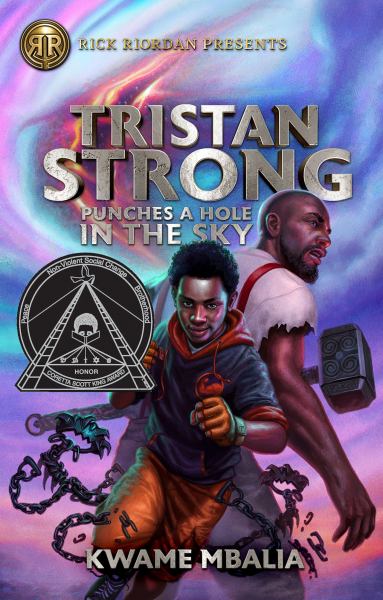
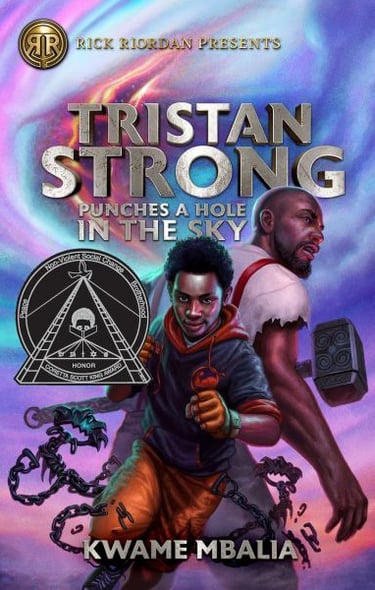
Tristan Strong Punches a hole in the Sky
Author: Kwame Mbalia
Illustrator: No illustrator is listed.
Publisher: Disney/Hyperion
Publication Date: September 22, 2020
Source: Booklist (starred review, August 2019), Kirkus Reviews (starred review, August 1, 2019), Publishers Weekly(August 19, 2019), and School Library Journal (November 1, 2019)
Age Range: Ages 8-12.
Evaluation: The fast-paced plot, rich mythological worldbuilding, and strong emotional arc make this a powerful and well-crafted upper elementary fantasy novel.
Usage: This book works well for independent reading, book talks, and classroom discussions about mythology, grief, identity, and storytelling.
Appeal: Tristan’s high-stakes adventure, humorous side characters, and exciting blend of African and African American folklore make this book especially appealing to children who enjoy action and fantasy.
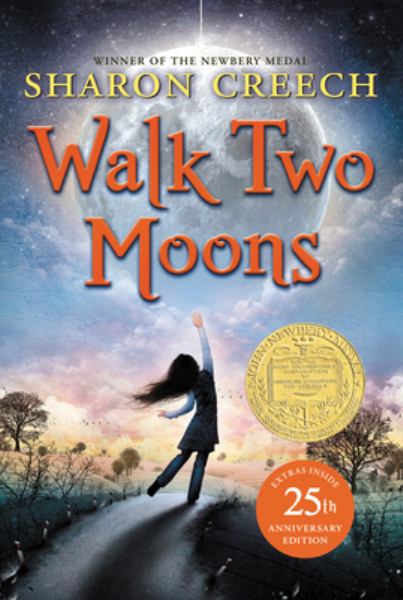
Walk Two Moons
Author: Sharon Creech
Illustrator: No illustrator is listed.
Publisher: HarperTrophy
Publication Date: January 1, 2002
Source: ALA Notable Children’s Books (1995), Book Links (July 1, 2000), Booklist, Bulletin of the Center for Children’s Books, Newbery Medal (1995), and School Library Journal (starred review, October 1, 1994)
Age Range: Ages 8-12.
Evaluation: The layered storytelling, strong emotional depth, and memorable characters make this a thoughtful and well-crafted upper elementary novel.
Usage: This book works well for independent reading, book talks, and classroom discussions about grief, family relationships, and personal growth.
Appeal: Sal’s unusual road trip, the unfolding mystery, and the emotional story about her mother make this book especially appealing to children who enjoy realistic fiction with heart and suspense.
Completing this reading project from the Reading Plan through Part II and Part III was both valuable and frustrating. The strongest aspect of the project was the amount of exposure it gave me to children’s literature across a range of reading levels, genres, and themes. As a practicing school media specialist, I do not always have the time to engage with this many titles in a sustained and systematic way because my work includes instruction, collaboration, collection development, technology support, circulation, and the many daily responsibilities of running a school library. For that reason, the project gave me structured time to become more familiar with books that could serve real students in my school setting. I appreciated the opportunity to think intentionally about age range, literary quality, reader appeal, and practical classroom or library use, since those are all central to the work of selecting materials well.
Another positive element was that the project pushed me to look beyond personal preference and consider books from a professional perspective. In completing the entries, I had to think carefully about what makes a book strong for a particular group of readers, how it might be used instructionally, and why it might appeal to children. That kind of reflection is useful because it mirrors the kinds of decisions school librarians and teachers make when recommending books, building collections, and supporting curriculum. The project also introduced me to titles and series that I had not previously considered, which was especially helpful because familiarity with current and classic children’s literature is difficult to build quickly while working full time in a school environment.
At the same time, I found the assignment frustrating in several ways. The expectations for formatting, wording, and source selection often felt more rigid than helpful. In some cases, I felt that the emphasis shifted away from learning how to evaluate and select children’s literature and toward meeting very narrow technical requirements. While consistency and precision certainly matter, I did not always feel that the amount of attention required for formatting choices, sentence structure at the micro level, or source wording actually deepened my understanding of the books themselves. At times, I spent more energy trying to interpret how to present the information than I did reflecting on the literature in a meaningful way.
I also found the assignment difficult because some categories, especially transitional books, were not clearly supported by the textbook’s organization. The textbook did not provide a straightforward section devoted to transitional books, which made that part of the project more confusing than it needed to be. As a result, I often had to infer how titles should be categorized rather than rely on a clearly explained framework. That made the process feel less like a guided learning experience and more like trial and error. A clearer explanation of how to identify transitional books, perhaps with sample titles and defining characteristics, would have made the assignment much more useful and less frustrating.
In addition, I would have found it more professionally relevant to spend more time learning how to evaluate books using trade journals and standard review sources. In actual school library practice, I am much more likely to rely on sources such as Booklist, School Library Journal, Kirkus Reviews, Horn Book, and award lists than on direct reading of every single title under consideration. While firsthand reading is important, it is not always realistic for a practicing media specialist responsible for large numbers of possible purchases and recommendations. Because of that, I think the course would be strengthened by more direct instruction on how to read professional reviews critically, compare review sources, recognize patterns of quality and appeal, and make defensible selection decisions based on trade literature. That would align more closely with the real decision-making processes librarians use in the field.
If I were suggesting improvements to this project, I would recommend several practical changes. First, I would provide a clearer and more detailed model for each section, including examples of what counts as an acceptable source and how categories such as transitional and upper elementary should be distinguished. Second, I would streamline the formatting requirements so that the focus remains on professional evaluation rather than minor technical inconsistencies. Third, I would incorporate a component that explicitly teaches students how to use trade journals, award lists, and review media as selection tools. For example, students might compare three professional reviews of the same title, identify points of agreement and disagreement, and explain how those reviews would influence a purchase recommendation. Another useful addition would be a short assignment in which students justify selection decisions for a hypothetical school library using reviews, curricular needs, age appropriateness, and collection gaps. That kind of work would feel directly connected to professional practice.
I also think it would help if the project more openly acknowledged the realities of school librarianship. Practicing librarians do not usually evaluate books in isolation from larger collection responsibilities. We think about budget, representation, circulation potential, curricular support, developmental appropriateness, and community needs all at once. A revised project could reflect this by allowing students to frame part of their reading project through the lens of a real or hypothetical school collection, explaining not only whether a book is good, but why it belongs in that collection and how it would serve students. That would make the assignment feel more authentic and more transferable to the workplace.
Overall, despite my frustrations, I do think the reading project had value. It expanded my awareness of children’s literature, helped me engage more intentionally with books across reading levels, and gave me a stronger sense of how to describe quality, use, and appeal in concise terms. It also reminded me that professional familiarity with children’s literature requires continuous exposure and reflection, something that can be difficult to maintain while working full time in a school. Although I would have appreciated clearer guidance, more flexible expectations, and more direct attention to trade journal evaluation, I still see this project as beneficial in helping me grow as a school media specialist and as a selector of children’s literature.